

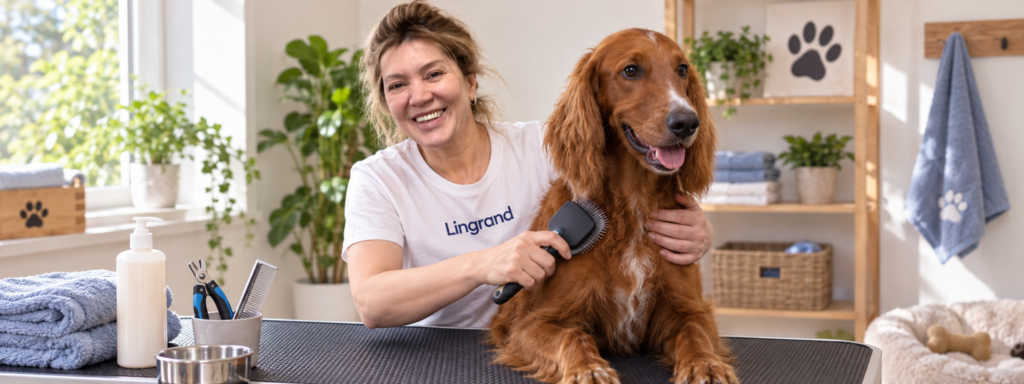
Shedding is normal for most dogs and cats. Hair grows, rests, falls out, and is replaced. The goal is not to stop shedding completely, because that is not realistic or healthy. The goal is to remove loose hair before it spreads through your home, support a healthy coat, and notice when shedding may signal a skin or health problem.
This beginner's guide explains how to reduce pet shedding with grooming, bathing, home habits, and veterinary awareness. It applies mainly to dogs and cats, though the exact tools and frequency depend on species, breed, coat type, age, season, and health.
Quick Answer
Brush your pet with the correct tool on a consistent schedule, bathe only as appropriate for the coat and skin, keep parasite prevention current, feed a balanced diet, clean bedding often, and contact your veterinarian if shedding is sudden, patchy, itchy, smelly, or paired with skin changes.
Understand the Coat First
Different coats shed differently. Short-haired pets may shed constantly in fine hairs that stick to fabric. Long-haired pets may form mats that trap loose coat. Double-coated breeds often release undercoat heavily during seasonal changes. Curly-coated dogs may shed less visibly but need regular grooming to prevent mats.
Before buying tools, identify whether you are dealing with loose topcoat, dense undercoat, tangles, or skin irritation. The wrong brush can be ineffective or uncomfortable.
Step 1: Choose the Right Brush
- Bristle brush: useful for short, smooth coats and finishing.
- Slicker brush: helps with longer coats and small tangles when used gently.
- Undercoat rake: useful for many double-coated pets during shedding season.
- Comb: checks for remaining tangles after brushing.
- Rubber curry brush: can loosen hair on short-coated pets and during baths.
Brushes should glide without scraping the skin. If your pet flinches, turns away, or the skin reddens, lighten pressure or choose a gentler tool.
Step 2: Build a Grooming Schedule
Consistency beats occasional marathon brushing. Short sessions prevent discomfort and keep loose hair under control. Many short-coated pets do well with several quick sessions per week. Long-haired or double-coated pets may need more frequent work, especially during seasonal shedding.
| Coat type | Starting schedule | Focus |
| Short smooth coat | 2-3 times weekly | Loose surface hair |
| Long coat | Every 1-2 days | Tangles, mats, friction areas |
| Double coat | Several times weekly; more during coat blow | Loose undercoat |
| Curly coat | Follow groomer/vet guidance | Mat prevention |
Step 3: Brush in Sections
Work with the coat, not against your pet. Start where your pet enjoys touch, such as the shoulders or chest. Brush small sections in the direction of hair growth, then check with a comb if the coat is longer. Pay attention to areas where friction creates mats: behind ears, under collars, armpits, belly, tail base, and rear legs.
If you find a tight mat close to the skin, do not cut it with scissors. Skin can fold into the mat and be injured easily. Use a professional groomer or veterinarian for severe matting.
Step 4: Bathe Thoughtfully
Bathing can help remove loose hair, dirt, and dander, but too much bathing or harsh shampoo can dry the skin. Use pet-safe shampoo, rinse thoroughly, and dry the coat well. For heavy shedders, brushing before and after a bath can remove a surprising amount of loose coat.
Cats often groom themselves well and may not need routine baths unless directed by a veterinarian or there is a specific mess, medical issue, or mobility problem. Many dogs need periodic bathing, but the ideal frequency varies.
Step 5: Support Skin and Coat Health
Healthy skin grows healthier hair. Feed a complete and balanced diet appropriate for your pet's life stage. Keep fresh water available. Maintain parasite prevention recommended by your veterinarian, because fleas, mites, and skin infections can cause itching, broken hairs, and abnormal hair loss.
Do not add supplements just because a coat looks dull. Some pets benefit from specific nutrition support, but supplements can be unnecessary or inappropriate depending on health conditions and diet. Ask your veterinarian before adding oils, vitamins, or skin-and-coat products.
Step 6: Control Hair in the Home
- Wash pet bedding regularly.
- Use washable throws on favorite furniture.
- Vacuum with an upholstery or pet-hair attachment.
- Use rubber tools or damp microfiber cloths on fabric surfaces.
- Keep grooming tools near the place where your pet relaxes so short sessions happen more often.
Troubleshooting Abnormal Shedding
Normal shedding is usually even. Abnormal shedding may be patchy, sudden, itchy, greasy, smelly, scabby, or paired with redness, dandruff, licking, chewing, weight change, appetite change, or low energy. Those signs deserve veterinary attention because causes can include parasites, allergies, infections, hormonal disease, pain, stress, or poor nutrition.
Common Mistakes
Using a de-shedding tool too aggressively
Overuse can irritate skin and damage coat. Follow tool instructions and stop before the skin becomes tender.
Shaving a double-coated pet for shedding
Shaving does not fix the shedding cycle and may affect coat regrowth or temperature protection in some breeds. Ask a groomer or veterinarian before major coat changes.
Ignoring itching
Itching is not just a hair problem. If your pet is scratching, licking, chewing, or losing patches of hair, look for a medical cause.
Frequently Asked Questions
Can I stop shedding completely?
No. Shedding is normal for most pets. Good care reduces loose hair around the home and helps you spot problems sooner.
Why is my pet shedding more in spring or fall?
Many pets change coat seasonally. Indoor lighting and climate can also affect patterns, so shedding may not follow a perfect calendar.
When should I call a veterinarian?
Call if shedding is sudden, patchy, itchy, painful, smelly, or paired with skin sores, behavior change, or illness signs.
Related How To Guides
Sources and Further Reading
Make Grooming Comfortable Enough to Repeat
Shedding control only works when you can repeat it. Choose a quiet time, keep sessions short, and reward cooperation. If your pet is nervous, begin with the brush resting nearby, then touch the shoulder once, reward, and stop. Over several sessions, increase contact slowly. This turns grooming into a predictable routine instead of a surprise restraint session.
For pets who dislike being handled, brush the easy areas first and save sensitive areas for later. Feet, belly, tail, ears, and armpits may need extra conditioning. If your pet growls, swats, snaps, or panics, stop and ask a veterinarian, groomer, or qualified behavior professional for help.
Seasonal Shedding Plan
| Season or situation | What to change | Why it helps |
| Spring/fall coat change | Brush more often with the correct undercoat tool. | Loose coat is removed before it spreads or mats. |
| After bathing | Dry thoroughly and brush once the coat is safe to work. | Bathing loosens hair that may otherwise shed later. |
| High-stress period | Keep sessions shorter and gentler. | Stress can affect tolerance and sometimes coat condition. |
| Senior pet | Use soft surfaces and shorter sessions. | Older pets may tire or feel sore quickly. |
Cleaning Strategy That Supports Grooming
Home cleaning cannot replace brushing, but it makes the routine feel more successful. Use washable covers where pets rest, vacuum before hair embeds deeply, and clean bedding on a predictable schedule. If you remove hair from the environment regularly, you can tell more easily when shedding suddenly changes.
Avoid heavily scented sprays around pets unless the product is specifically pet-safe and appropriate for your household. Some pets are sensitive to fragrances, and odor should not be used to hide a skin problem that needs care.
How to Handle Mats and Heavy Undercoat
Mats are different from normal shedding. A mat is tangled hair held close together, often near the skin. Brushing hard through a mat can hurt, and cutting with scissors is risky because the skin may be pulled into the tangle. For small loose tangles, a comb and detangling spray made for pets may help. For tight mats, use a professional groomer or veterinarian.
Heavy undercoat also needs patience. Work in small areas and stop before your pet becomes sore. If the brush fills quickly, clean it often rather than dragging packed hair through the coat. After a heavy session, check the skin for redness and give your pet a break.
When Shedding Is Really Breakage
Sometimes what looks like shedding is actually hair breaking from dryness, friction, over-bathing, parasites, allergies, or poor coat condition. Broken hairs may be uneven, dull, or concentrated where collars, harnesses, or licking occur. If the coat changes texture or your pet seems itchy, treat it as a health clue rather than a cleaning problem.
Keep Notes When Shedding Changes
A simple note in your phone can help you see patterns. Record when shedding increased, what brush you used, whether itching was present, and whether anything changed in diet, bathing, flea prevention, stress, or season. These details are useful if you later speak with a veterinarian or groomer because they separate normal coat cycles from sudden changes that may need attention.
Final Thoughts
Reducing shedding is a routine, not a one-time cleanup. Choose the right tool, keep sessions gentle and regular, and treat sudden coat changes as information your pet is giving you.