

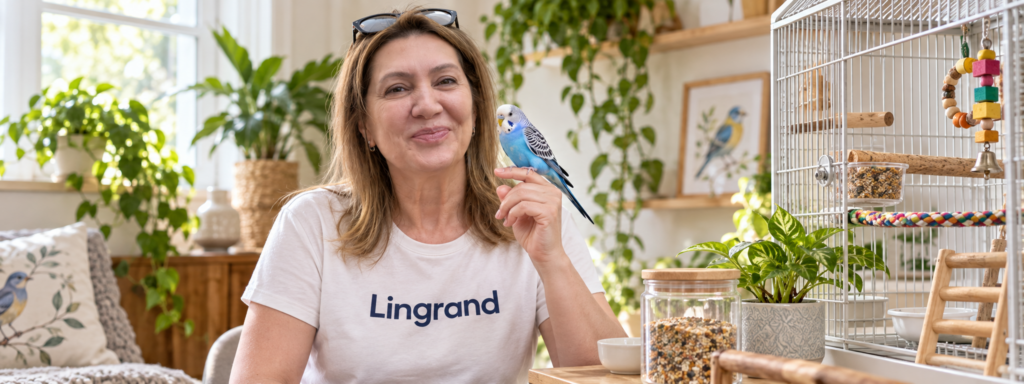
A bird cage is more than a place to keep a pet bird. It is the bird's bedroom, dining area, play zone, safe retreat, and daily environment. A cage that is too small, poorly placed, hard to clean, or built with unsafe spacing can create stress, injury risk, and behavior problems before an owner realizes what went wrong.
This guide explains how to choose a bird cage for common companion birds such as budgies, cockatiels, lovebirds, conures, parrotlets, and similar pet birds. Species vary, so use this as a practical starting point and ask an avian veterinarian or experienced bird specialist for species-specific needs. A safe cage should let the bird move naturally, perch comfortably, eat and drink cleanly, and stay protected from household hazards.
Quick Answer
Choose the largest safe cage your space and budget allow, with correct bar spacing for the species, sturdy non-toxic materials, secure doors, varied perches, room for toys without crowding, easy cleaning access, and a location away from drafts, fumes, direct heat, and constant stress. Width matters as much as height because many birds move side to side and need usable flight or hopping space.
Step 1: Start With the Bird's Adult Size
Do not choose a cage only by the size of a young bird. Many birds are purchased young and grow into adult wingspan, tail length, and activity level. The bird should be able to turn around, stretch both wings without hitting bars or toys, climb, hop between perches, and move away from food and waste areas.
For active parrots and parakeets, a wider cage often works better than a tall narrow cage. Tall cages can look spacious while providing very little usable movement. If the bird spends most of the day inside the cage, choose more space than the minimum chart suggests.
Step 2: Check Bar Spacing Carefully
Bar spacing is a safety issue. Bars that are too wide can allow a bird to squeeze its head through and become trapped. Bars that are too narrow for a larger bird may not provide comfortable climbing. Research the recommended spacing for your exact species before buying.
Also inspect bar strength. A small budgie does not need the same bar thickness as a larger parrot with a powerful beak. Doors, food-cup openings, and play-top latches should close securely so a curious bird cannot escape or pinch itself.
Step 3: Choose Safe Materials and Finish
Look for cages made for birds, with a durable finish and no flaking paint, rust, sharp edges, or loose welds. Avoid mystery-metal cages, decorative cages not designed for live birds, and older cages with peeling surfaces. Birds explore with their beaks, so unsafe coatings or rust are more serious than cosmetic flaws.
If you are considering a used cage, clean and inspect it thoroughly. Ask what species used it before and whether any bird in the home had contagious disease. When in doubt, start with a new cage or ask an avian professional about safe disinfection.
Step 4: Plan Perches Before Toys
Perches affect foot health, posture, movement, and comfort. Use more than one perch size and texture so the bird's feet are not gripping the same diameter all day. Natural-wood perches, rope perches in good condition, and platform areas can all have a role depending on the bird.
Avoid placing perches directly over food or water bowls, where droppings can contaminate them. Also avoid filling the cage so tightly with perches and toys that the bird cannot move freely.
Step 5: Think About Cleaning and Daily Access
A cage that is hard to clean will not stay healthy for long. Look for a removable tray, accessible food and water stations, doors large enough for safe handling, and a design that lets you change paper or liners without letting the bird escape. Smooth, simple surfaces are often easier to maintain than ornate designs.
Step 6: Place the Cage Safely
Put the cage in a social but not chaotic area. Birds often enjoy being near household activity, but they also need predictable rest. Avoid kitchens because fumes, overheated nonstick cookware, smoke, aerosols, and cooking hazards can be dangerous to birds. Keep the cage away from open windows, ceiling fans, electrical cords, direct midday sun, heaters, air vents, and curious pets.
Bird Cage Checklist
| Feature | Why it matters |
| Correct bar spacing | Prevents head trapping and escape. |
| Wide usable space | Allows movement, climbing, and wing stretching. |
| Secure doors | Prevents escapes and pinch injuries. |
| Varied perches | Supports foot comfort and natural movement. |
| Easy cleaning access | Keeps food, water, and cage surfaces healthier. |
Common Mistakes
- Buying a cage because it is tall while ignoring width.
- Using bar spacing meant for a larger species.
- Crowding the cage with toys until the bird cannot move.
- Putting the cage in the kitchen or near fumes.
- Using one smooth dowel perch as the only resting surface.
When to Ask a Professional
Ask an avian veterinarian or experienced bird professional if your bird is chewing cage coating, damaging feet, falling, showing stress behaviors, plucking feathers, refusing to perch, or if you are choosing housing for a larger parrot, disabled bird, or pair of birds.
Frequently Asked Questions
Is a round bird cage okay?
Round cages are often less useful because they can limit flight paths and make placement of perches and corners awkward. Rectangular cages usually provide better usable space.
Should the cage be covered at night?
Some birds settle better with a breathable cover and a predictable sleep schedule. Others do not need one. The room should be safe, quiet enough for rest, and free of overheating risk.
How many toys should be in the cage?
Use enough enrichment to prevent boredom, but leave clear movement space. Rotate toys instead of filling every inch at once.
Related How To Guides
Sources and Further Reading
- VCA Hospitals bird-care housing resources
- Merck Veterinary Manual: pet bird care references
- RSPCA pet bird welfare guidance
How to Judge Cage Size in Real Life
Minimum cage charts can be useful, but they do not always show how the space feels once perches, bowls, toys, and a bird are inside. When you compare cages, imagine the complete setup. A bird should be able to move between perches without dragging tail feathers, bumping wings, or squeezing around toys. Food and water should be reachable without forcing the bird to sit in waste zones.
For birds who spend many hours outside the cage, the cage still needs to support safe rest and unsupervised time. For birds who are caged for most of the workday, more interior space and better enrichment become even more important. A cage is not a substitute for social time, exercise, and supervised out-of-cage activity, but it should never be a cramped holding box.
Food, Water, and Bathing Stations
Food and water cups should be easy to remove and wash. Place them where droppings are unlikely to fall into them, and avoid overcrowding the doorway so daily care does not become stressful. Some birds enjoy a separate bath dish or supervised misting, while others prefer different bathing routines. Keep bathing areas clean and remove wet materials before they chill the bird or encourage bacterial growth.
Multi-Bird Considerations
Two birds need more than double the thought. They need enough space to avoid each other, multiple feeding stations when appropriate, and careful monitoring for bullying. Do not assume birds are compatible because they are the same species. Introductions should be slow, supervised, and based on behavior rather than owner preference.
Mistakes That Make a Good Cage Unsafe
A cage can look roomy and still be wrong for the bird. Sharp wire ends, peeling paint, rust, weak latches, decorative scrollwork, and doors that can trap toes are all practical problems. Check the cage with your hands before you trust it. Run your fingers along seams, corners, feeder doors, and the tray area. If anything catches skin, it can catch a bird.
Avoid cages that rely on very thin wire for medium or strong-beaked birds. A determined bird may bend weak bars, damage the coating, or create a gap large enough for injury. Also check whether the bottom grate and tray can be removed and cleaned without giving the bird an escape path. Daily cleaning should be simple, because difficult cages tend to become dirty cages.
Where to Put the Cage in Your Home
Choose a location with family activity but not constant chaos. Many birds like being near people, yet they also need dependable sleep and a place to retreat. Keep the cage away from drafts, direct hot sun, kitchen fumes, aerosol sprays, candles, and smoke. A wall behind part of the cage can help a bird feel less exposed.
Nighttime matters too. Birds need a predictable dark, quiet sleep period. If the main living room stays bright and loud late into the evening, consider a sleep cage or another quiet arrangement recommended for your species. Better sleep often improves daytime behavior, noise, and stress tolerance.
Final Thoughts
The best bird cage is safe, spacious, cleanable, and designed around the bird's real daily behavior. Choose for movement and welfare first, then style.