

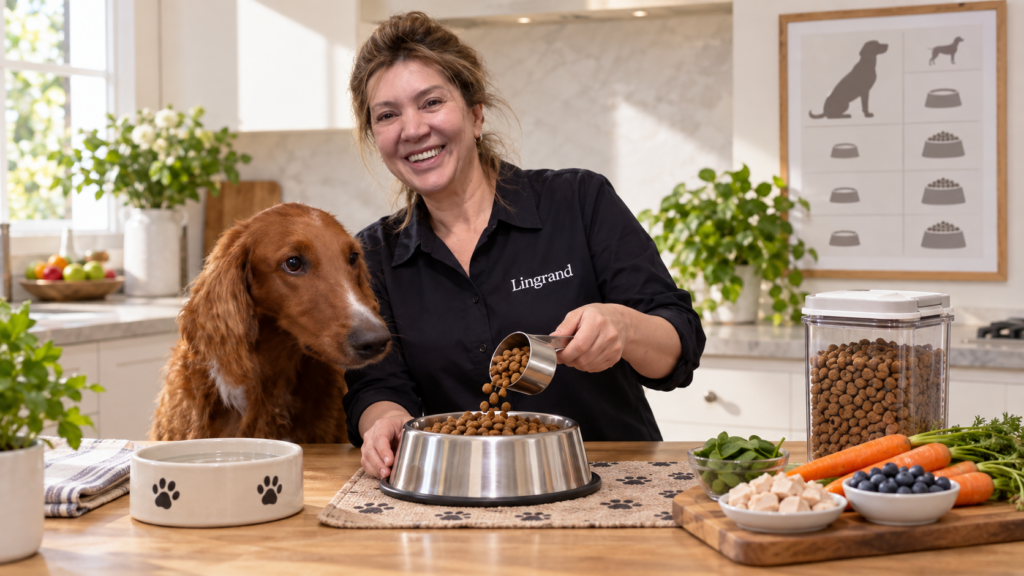
How to Adjust Feeding During Seasonal Changes helps pet owners make feeding decisions with less guessing and more consistency. Nutrition affects energy, digestion, weight, skin, coat, hydration, growth, senior comfort, and long-term wellness, so the best plan is practical, measured, and reviewed over time.
This Lingrand guide explains how to approach the topic safely, what details to check, and when to involve your veterinarian. It is educational guidance and does not replace a veterinary diagnosis or a customized therapeutic diet plan.
Quick Answer
Start by identifying the pet’s species, life stage, weight, body condition, health history, and current diet. Measure food accurately, limit treats, make diet changes gradually unless your veterinarian says otherwise, and monitor appetite, stool, thirst, weight, and energy. For illness, allergies, chronic disease, weight problems, or prescription food, ask your veterinarian before making major changes.
What to Check First
- Species and life stage, including puppy, kitten, adult, senior, pregnancy, or growth needs.
- Current food name, amount, feeding times, treats, supplements, and table food.
- Body weight and body condition trend, not only today’s number.
- Health concerns such as vomiting, diarrhea, itching, dental pain, kidney disease, diabetes, or food allergy concerns.
- Food storage, freshness, expiration date, and whether the original label is still available.
Step-by-Step Instructions
Step 1: Write down the current feeding routine before changing anything
Write down the current feeding routine before changing anything. This step matters because feeding plans are easier to improve when you can compare clear details. Look for normal appetite, comfortable digestion, steady energy, and a body condition that moves in the right direction over time.
Step 2: Read the food label and confirm the product is intended for the pet’s species and life stage
Read the food label and confirm the product is intended for the pet’s species and life stage. This step matters because feeding plans are easier to improve when you can compare clear details. Look for normal appetite, comfortable digestion, steady energy, and a body condition that moves in the right direction over time.
Step 3: Measure portions with a cup or kitchen scale instead of guessing by eye
Measure portions with a cup or kitchen scale instead of guessing by eye. This step matters because feeding plans are easier to improve when you can compare clear details. Look for normal appetite, comfortable digestion, steady energy, and a body condition that moves in the right direction over time.
Step 4: Make changes gradually over several days when the pet is healthy and the change is not medically urgent
Make changes gradually over several days when the pet is healthy and the change is not medically urgent. This step matters because feeding plans are easier to improve when you can compare clear details. Look for normal appetite, comfortable digestion, steady energy, and a body condition that moves in the right direction over time.
Step 5: Watch the pet’s response and adjust with veterinary guidance when problems appear
Watch the pet’s response and adjust with veterinary guidance when problems appear. This step matters because feeding plans are easier to improve when you can compare clear details. Look for normal appetite, comfortable digestion, steady energy, and a body condition that moves in the right direction over time.
Common Mistakes
- Changing several foods, treats, or supplements at the same time.
- Using treats generously but forgetting to count those calories.
- Assuming “natural,” “premium,” or attractive packaging automatically means the food is right for the pet.
- Leaving food in heat, humidity, sunlight, or open containers where freshness can decline.
- Waiting too long to ask a veterinarian when appetite, stool, weight, thirst, or energy changes.
When to Call the Veterinarian
Call your veterinarian if your pet refuses food, loses weight, vomits repeatedly, has diarrhea, drinks much more or less than usual, seems weak, has dental pain, or needs a diet for a medical condition. A veterinarian or veterinary nutrition specialist can help choose a safe plan when internet advice is too general.
Helpful Sources
How to Track Results
Nutrition changes should be judged by trends, not one meal. Keep a simple note for two to four weeks that includes the food amount, treat amount, appetite, stool quality, thirst, weight if you can measure it safely, and any symptoms such as itching, vomiting, gas, coughing, or low energy. This makes the conversation with your veterinarian much more useful because you can show what changed and when.
Do not chase quick fixes by changing foods every few days. Frequent changes can create digestive upset and make it harder to know which ingredient, calorie level, treat, supplement, or feeding schedule helped. If your pet has a medical condition, your veterinarian may recommend a slower or more structured plan.
Household Feeding Rules
- Use one measuring tool so portions stay consistent.
- Keep treats in a shared container so everyone can see how many were given.
- Do not leave food bags open where moisture, pests, or heat can affect freshness.
- Separate pets at meals when one pet steals food or needs a different diet.
- Save the food label and lot information until the bag or case is finished.
How to Review the Plan
After two weeks, compare your notes with the goal you started with. If digestion is steady, appetite is normal, weight is stable or moving as planned, and your pet has good energy, the routine may be working. If symptoms continue, the answer is not always another food switch. Dental pain, parasites, endocrine disease, kidney disease, anxiety, allergies, medication effects, or inappropriate portions can look like a food problem at home.
Bring the food name, label, treat list, supplement list, and measured daily amount to your next veterinary visit. Clear records help your veterinarian decide whether the plan is reasonable, whether calories need adjustment, or whether a diagnostic exam is safer than continued trial and error.
Final Thoughts
How to Adjust Feeding During Seasonal Changes is easier when you use a measured routine and observe the pet in front of you. Keep records, make gradual changes, and get professional help when the feeding question connects to illness, growth, age, medication, or weight.