

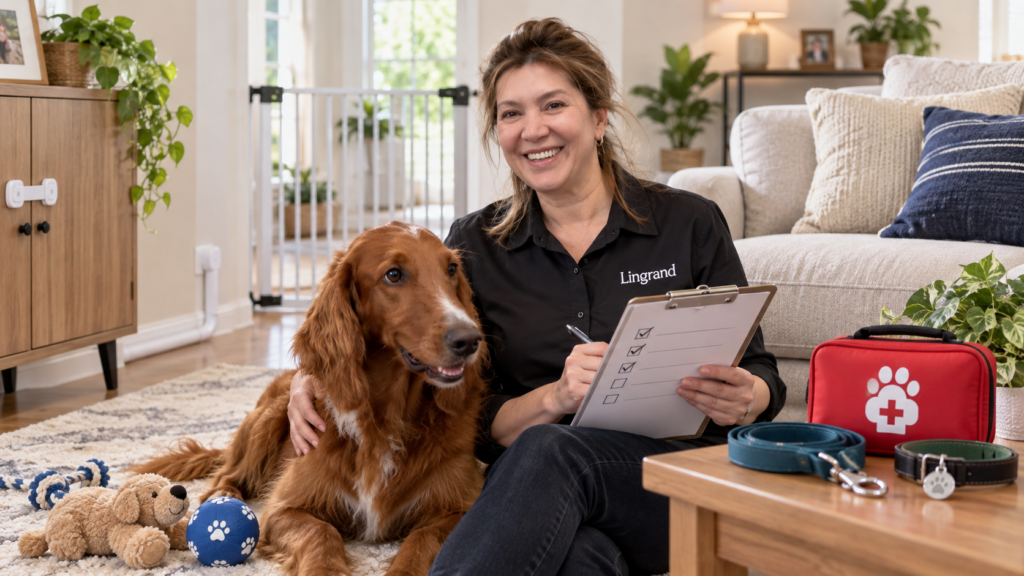
How to Make an Emergency Vet Contact List is a practical topic because small everyday choices can affect a pet’s comfort, health, and safety. This Lingrand guide explains what to check, how to prepare, how to make decisions step by step, and when a concern needs professional help.
The goal is not to make pet care complicated. The goal is to give you a clear process you can repeat. Good pet safety guidance helps you notice risks early, avoid rushed decisions, and build routines that fit the pet in front of you.
Use this article as educational guidance. It does not replace diagnosis, emergency care, or an individualized plan from a qualified professional. If your pet is sick, injured, painful, collapsing, struggling to breathe, repeatedly vomiting, unable to urinate, having seizures, or may have eaten something toxic, seek urgent veterinary help.
Quick Answer
To make an emergency vet contact list, start with the safest baseline: identify the pet’s species, age, size, medical history, normal routine, and the specific risk or feeding need you are solving. Prepare supplies first, make changes gradually when possible, watch the pet’s response, and get professional guidance when the situation involves illness, toxins, medication, special diets, severe fear, or emergency symptoms.
Why This Matters
Preventing avoidable pet injuries, household hazards, escapes, poisoning risks, heat and cold problems, and emergency confusion is not only about preventing rare emergencies. It affects daily comfort. Pets rely on people to control the home environment, food access, handling, storage, travel plans, and routines they cannot manage for themselves.
Many problems start small: an open cabinet, a loose gate, a bowl that is always guessed instead of measured, an expired emergency number, or a pet food bag stored where heat and moisture can damage it. Fixing those details early is easier than reacting after a crisis.
What You Will Need
- A written emergency contact list for your veterinarian, emergency clinic, and poison help line.
- Secure storage for medications, cleaners, foods, plants, cords, sharp items, and small objects.
- Pet identification such as collar ID, current microchip details, and recent photos.
- Basic first-aid supplies recommended by your veterinarian, plus carriers, leashes, gates, or barriers.
- A household checklist so every family member follows the same plan.
Step-by-Step Instructions
Step 1: Identify the main risk
Identify the main risk. Look at the pet’s species, age, behavior, size, health, and access to the area or item involved.
A good result should be easy to repeat. If the task depends on luck, memory, or constant supervision, improve the setup. The safest plan is usually the one that still works when the household is tired, distracted, or busy.
Step 2: Remove immediate hazards first
Remove immediate hazards first. Secure toxins, cords, doors, gates, choking items, heat sources, unsafe foods, and anything the pet can swallow or knock over.
A good result should be easy to repeat. If the task depends on luck, memory, or constant supervision, improve the setup. The safest plan is usually the one that still works when the household is tired, distracted, or busy.
Step 3: Create a safer routine
Create a safer routine. Decide who checks doors, feeds the pet, cleans supplies, updates records, and watches the pet during risky events.
A good result should be easy to repeat. If the task depends on luck, memory, or constant supervision, improve the setup. The safest plan is usually the one that still works when the household is tired, distracted, or busy.
Step 4: Practice before an emergency
Practice before an emergency. Use carriers, leashes, recalls, calm handling, and safe-room routines before the day you urgently need them.
A good result should be easy to repeat. If the task depends on luck, memory, or constant supervision, improve the setup. The safest plan is usually the one that still works when the household is tired, distracted, or busy.
Step 5: Review the plan monthly
Review the plan monthly. Pets grow, habits change, seasons shift, and household risks appear in new places.
A good result should be easy to repeat. If the task depends on luck, memory, or constant supervision, improve the setup. The safest plan is usually the one that still works when the household is tired, distracted, or busy.
Practical Checklist
| Area | What to Check |
| Kitchen | Toxic foods, trash, cleaning products, sharp tools, hot surfaces, and food packaging. |
| Living areas | Cords, small objects, plants, candles, windows, balconies, and furniture gaps. |
| Travel | Carrier, leash, ID, water, medication, records, and safe temperature control. |
| Emergency plan | Vet contacts, poison help, recent photo, microchip details, and transport plan. |
Common Problems
The plan seems too hard to maintain
Simplify it. Put supplies where the task happens, use reminders, and assign one person to each recurring job. A basic plan followed every day is better than a complicated plan that disappears after a week.
Your pet resists the change
Resistance can mean fear, discomfort, confusion, or an underlying health issue. Slow down and make the change smaller. If your pet refuses food, becomes lethargic, hides, limps, scratches intensely, vomits repeatedly, or acts painful, contact a professional.
Different family members do different things
Write the plan down. Feeding amounts, unsafe items, medication times, door rules, travel rules, and emergency contacts should be visible to everyone. This prevents double feeding, missed medication, open doors, and contradictory training or safety habits.
When to Ask for Professional Help
Contact a veterinarian, emergency clinic, certified trainer, groomer, or poison control service when the problem involves medical symptoms, toxins, weight loss, food refusal, prescription diets, severe fear, aggression, injury, chronic disease, exotic species, or a situation that could become dangerous quickly. Professional help is not a failure; it is part of responsible pet care.
Helpful Sources
- AVMA pet owner safety and emergency resources
- ASPCA Animal Poison Control and pet care resources
- CDC Healthy Pets guidance
Final Thoughts
How to Make an Emergency Vet Contact List becomes easier when you turn it into a calm, repeatable routine. Start with safety, use accurate information, observe your pet closely, and adjust the plan as your pet’s age, health, season, and household needs change.